【科学美国人】受气候影响,植物传播种子成了难题
As Earth heats up from the burning of fossil fuels, the climate conditions that species have adapted to are increasingly shifting away from their historical ranges.
随着化石燃料燃烧导致地球升温,物种所适应的气候条件正日益偏离其历史范围。
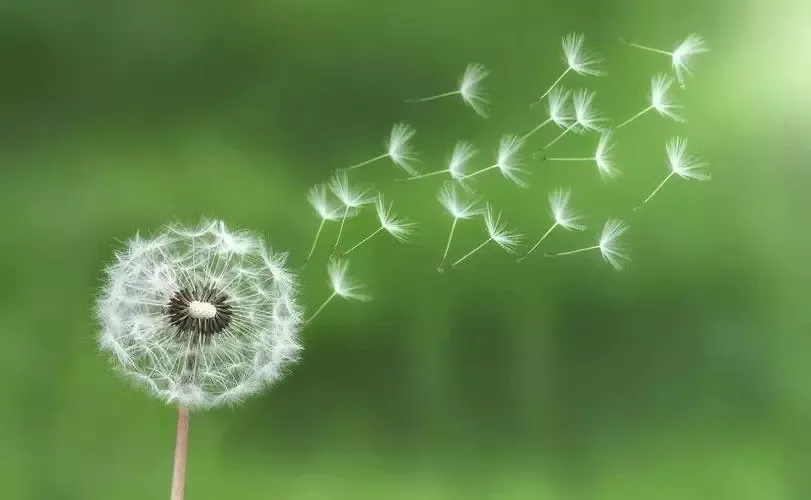
But while birds and other animals can often fly, walk or swim to follow their preferred environment, plants are quite literally 字面上;按字面;逐字地;简直;照字面意义 rooted to the ground. They require outside forces to help them colonize new areas: half of all plant species rely on animals to deposit their seeds elsewhere, such as by eating fruits and then defecating the seeds they contain.
但是,尽管鸟类和其他动物可以根据它们喜欢的环境飞行、行走或游泳,但植物实际上是扎根在地面上的。它们需要外力来帮助它们开拓新领域:一半的植物物种依赖动物将种子储存在其他地方,比如吃水果,然后将含有种子的种子排便。
But deforestation, poaching and other human pressures are causing population declines in some crucial mammalian and avian seed-spreading species. Such losses have already blunted 减弱;使变愚钝;使失锋刃 plants’ ability to keep pace with a rapidly changing climate by a stunning 60 percent, according to a study published this week in Science.
但森林砍伐、偷猎和其他人类压力正导致一些重要的哺乳动物和鸟类种子传播物种的数量下降。根据本周发表在《科学》杂志上的一项研究,这种损失已经使植物适应快速变化的气候的能力下降了惊人的60%。
For decades scientists have been tracking which birds and other animals eat fruits and the seeds they contain, how far those seeds are transported and whether they germinate wherever they are deposited 存款;寄存;淤积[沉积]物;【矿】矿藏.
几十年来,科学家们一直在追踪哪些鸟类和其他动物吃水果和它们所含的种子,这些种子被运送到多远的地方,以及它们是否在储存的地方发芽。
These are what ecologists call mutualistic 共生的;互惠共生的;互惠共存 interactions. “The animal gets some fruit, and the plant gets to move,” Fricke explains. He says he has spent hours sitting in a hammock, eyes trained on a piece of fruit, to see which local birds stop by for a snack.
这就是生态学家所说的互惠互动。Fricke解释道:“动物得到了一些果实,而植物可以移动。”他说,他花了几个小时坐在吊床上,眼睛盯着一块水果,看哪些当地的鸟类停下来吃点心。
From examining specific ecosystems, such as the Atlantic Forest in Brazil, ecologists have concluded that the loss of birds and other animals from deforestation and other pressures has been curtailing 缩短;削减 trees’ ability to disperse their seeds. “But zooming out to the global scale, there hadn’t been an analysis,” Fricke says. So he and his colleagues “were going in trying to understand how big this problem is.”
通过研究特定的生态系统,如巴西的大西洋森林,生态学家得出结论,由于森林砍伐和其他压力,鸟类和其他动物的减少已经削弱了树木传播种子的能力。弗里克说:“但在全球范围内,还没有进行分析。”因此,他和他的同事“试图了解这个问题有多严重。”
So far biodiversity loss and climate change have apparently caused the greatest reductions in plants’ seed-dispersal capacities in areas such as North America and Europe, where climate range shifts involve larger distances.
到目前为止,生物多样性的丧失和气候变化明显导致了北美和欧洲等地区植物种子传播能力的最大下降,这些地区的气候变化涉及更大的距离。
This is partly because these regions have relatively large expanses of flat terrain. (In mountainous areas, by contrast, different climate conditions can often exist only tens or hundreds of meters upslope or downslope.) The loss of large mammals, which tend to be the ones able to carry seeds over long distances, has also contributed.
这在一定程度上是因为这些地区有相对广阔的平坦地形。(相比之下,在山区,不同的气候条件往往只能在上坡或下坡几十或几百米的地方存在。)大型哺乳动物的减少也起到了一定的作用,这些哺乳动物往往是那些能够长距离携带种子的动物。